

MD, FACP, FINR
Dr. Sibasankar Dalai is Senior ConsultantNeuro Vascular Intervention. He holds bachelor degree in medicine and surgery and is also a Fellow of Australasian College of Phlebology. He is also a member of American College of Phlebology.
Dr. Sibasankar Dalai has been trained extensively in the field of interventional radiology. He has done research in the treatment of venous insufficiencies and specializes in the latest endovenous laser treatment of varicose veins.
Dr. Dalai is also specialized in both neuroradiological and peripheral vascular & non-vascular interventional procedures and minimally invasive neurointerventional techniques.

Patient Name:
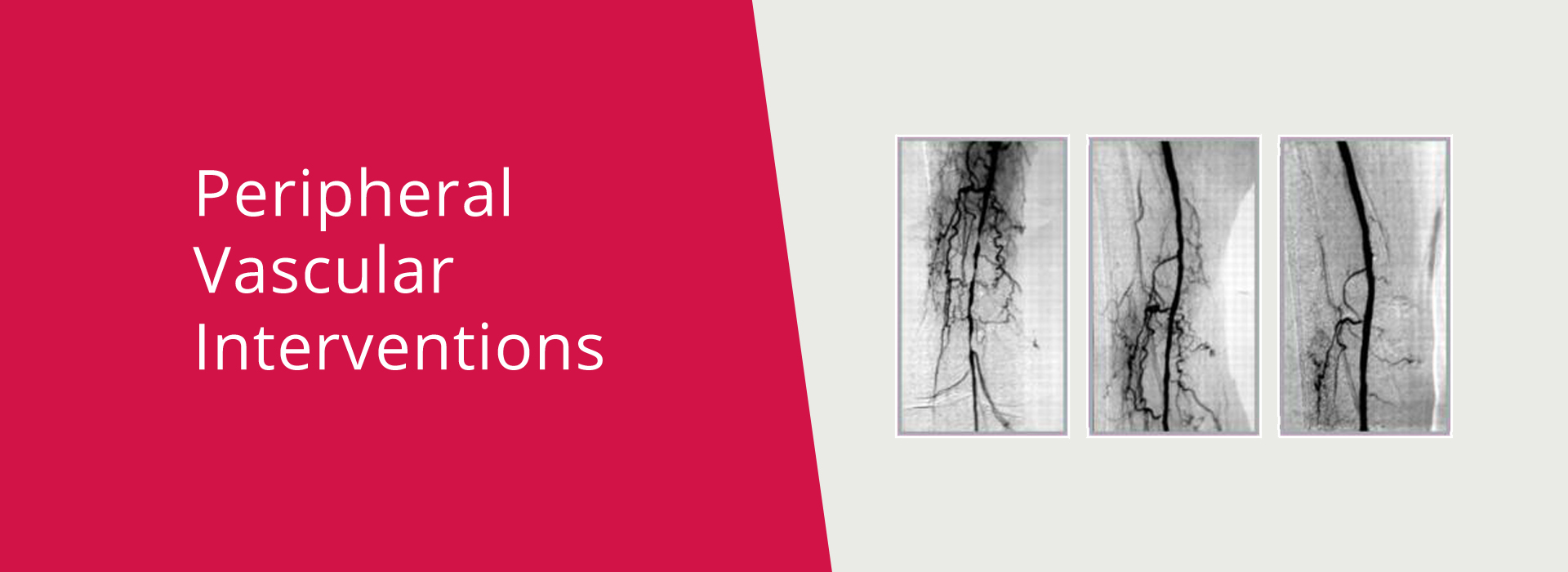
Peripheral Arterial disease
Procedure:
Patient Name: Indira Patro
Complained of: Continuous vaginal Bleed
Procedure: Uterine AVM
Patient Name: Varhalmurthy
Procedure: GDA Aneurysm Embolization
Patient Name: Padma
Disease: Acute Subarachnoid hemorrhage
Procedure: Brain Aneurysm Coiling
Patient Name: Narayanamma
Disease: Acute Subarachnoid hemorrhage
Procedure: Brain Aneurysm Coiling
Patient Name: Srinivasa Rao
Disease: Acute Subarachnoid hemorrhage
Procedure: Brain Aneurysm Coiling
Patient Name:
Disease: Ruptured MCA Bifurcation Aneurysm
Procedure: Balloon Assisted Coiling
Patient Name: Malati Das
Disease: Neck Aneurysm Rupture
Procedure: Brain Aneurysm Coiling
Patient Name:
Disease: Spinal AV Malformation
Procedure: Spinal AVM Embolization
Patient Name:
Disease:
Procedure:
Patient Name:M. Shankar Rao
Disease: Varicose Vein with non healing Venous Ulcer in the leg for 8 years.
Patient Name: Saira Begum
Disease: Varicose Vein by Endovenous Laser Ablation
Patient Name: Deepak Kumar Dora
Disease: brain aneurysm coiling
Patient Name:
Disease: Brain Aneurysm Coiling , Bilateral Anterior Circulation Aneurysm
Patient Name: Mr Vedi
Disease: Varicose Vein with non Healing Venous Ulcer laser ablation
Patient Name: Laxmi
Procedure: Carotid artery stenting with distal embolic protection